
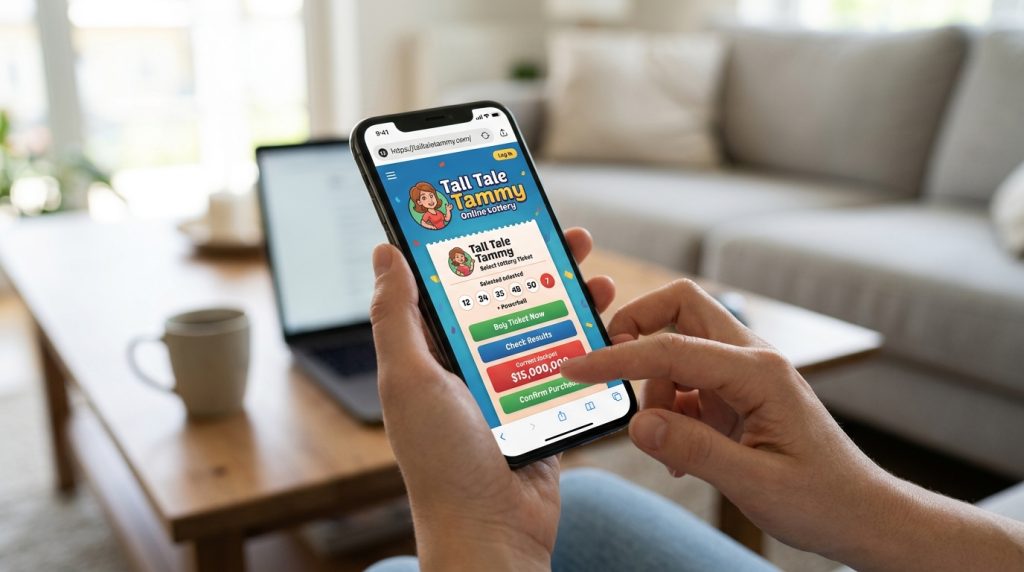
The digital entertainment and online gaming industry has undergone a massive transformation over the past decade. As platforms expand globally, the demand for streamlined, secure, and highly responsive user interfaces has never been higher. For enthusiasts participating in platforms like togel online, the quality of the digital experience is often determined within the first few seconds of entering a site.
Modern platforms are shifting away from cluttered, high-intensity graphics toward lightweight, functional designs. This evolution prioritizes the user’s time and digital well-being, proving that a seamless journey is far more valuable than aggressive marketing gimmicks.
The Power of a Directed User Journey
One of the biggest friction points in contemporary web applications is navigating through layers of unnecessary introductory pages. When a user opens a digital service, their primary goal is to reach their intended destination with as few clicks as possible.
Leading platforms, such as EXOTOTO, have pioneered a directed login path. Instead of subjecting users to lengthy daily navigation or intrusive pop-ups, the architecture takes them directly to the main market hub immediately after authentication.
Structuring Content by Intuition
Human-centric design dictates that a user should understand a page’s function from the very moment they first open it. To achieve this, modern lottery portals organize their menus based on strict, logical categories:
- Real-Time Schedules: Clear countdowns and opening times so users can plan their activities without confusion.
- Live Results: Transparent and immediate data archives that eliminate the need to cross-reference external sources.
- Core Information Hubs: Dedicated areas for platform updates, security protocols, and operational terms.
By placing each option in a distinct, uncluttered area, platforms reduce cognitive overload. Users spend less time figuring out “how” to use the website and more time focusing on the core experience.
Universal Accessibility Across Devices and Networks
In an interconnected world, users access digital services from a staggering variety of hardware. A single user might check updates on a flagship smartphone during a morning commute, review data on a laptop during lunch, and log in from an older tablet at home.
Furthermore, network conditions are rarely uniform. Mobile data speeds fluctuate wildly depending on location, weather, and server loads.
To combat these variables, progressive platforms maintain an exceptionally lightweight interface across all form factors. By optimizing source code, compressing visual assets, and minimizing heavy scripts, these services run smoothly regardless of whether a user is on a blazing-fast fiber-optic line or a unstable mobile network. Accessibility should never be a luxury reserved only for those with the latest hardware.
Streamlining Post-Login Information Centers
What happens after a user logs in is just as critical as the initial landing experience. Traditional websites often make the mistake of dumping all historical data and live updates into a single, chaotic dashboard.
The modern approach involves a sophisticated information center that clearly separates the latest live updates from historical market archives.
Proximity and Layout Efficiency
To maximize efficiency, vital platform information is placed in close proximity to the main navigation menu. This spatial layout eliminates the need to dig through deep sub-menus or external links. When system notifications, structural changes, or alternative access paths are kept within arm’s reach, the digital ecosystem becomes significantly more transparent.
To support this front-end efficiency, back-end development teams must regularly update their systems. Continuous maintenance ensures three core pillars:
- Speed: Sub-second page load times during peak traffic periods.
- Stability: Zero downtime or session drops when switching between different network access points.
- Security: End-to-end encryption protecting user data and verification paths throughout their daily use.
Alternative Paths and Practical Digital Experiences
Even the most robust digital architectures encounter external challenges, such as localized network blockages or server congestion. A truly user-centric platform anticipates these hurdles by providing alternative access paths.
These alternative paths act as secondary highways—running parallel to the main system, built on the exact same lightweight blueprint, and remaining fully responsive under heavy loads. Having a reliable alternative ensures that the user’s daily schedule is never disrupted by technical bottlenecks.
Ultimately, the concept of guiding users toward a brighter, more efficient digital world is realized through neat, informative, and highly convenient access experiences. By focusing heavily on practical layouts and removing empty promises or exaggerated guarantees, modern lottery platforms establish long-term trust. The result is a highly directed, easy-to-understand digital environment that fits naturally into the user’s daily lifestyle.
