
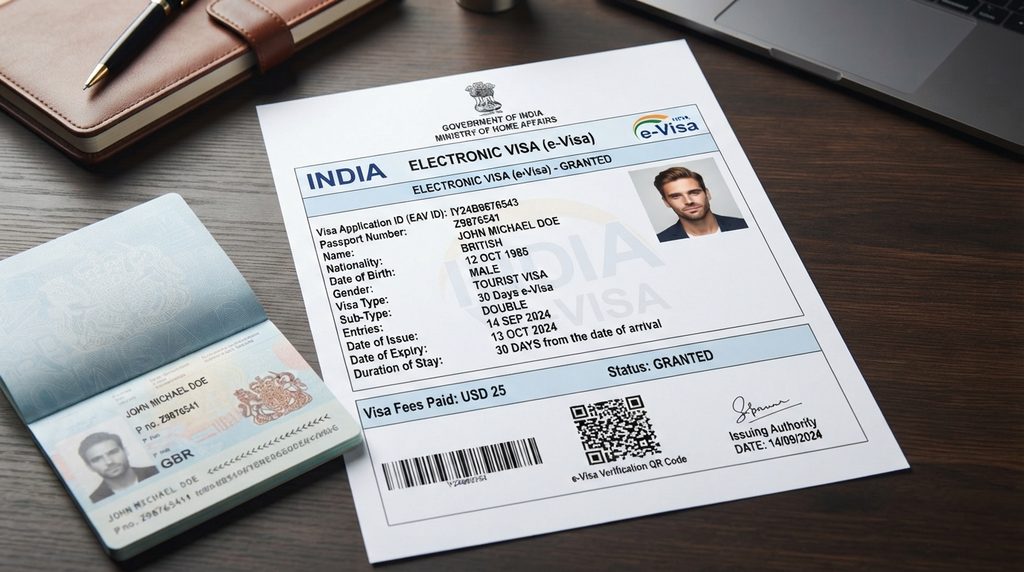
Planning an international voyage to India opens the door to a world of breathtaking architecture, profound spiritual history, and vibrant cultural tapestries. From the majestic Himalayan heights to the serene coastal backwaters of the south, this magnificent South Asian destination captivates millions of visitors annually. However, ensuring a smooth and successful journey begins long before packing your bags. Understanding the legal entry frameworks, travel authorizations, and documentation procedures is vital for every global explorer.
Regional Entry Pathways and Digital Authorizations
Navigating entry requirements often varies depending on an individual’s nationality, residency, and country of passport issuance. For instance, travelers planning a holiday from the southern Caribbean can review the specific criteria outlined for an INDIAN VISA FOR ARUBA CITIZENS. Aruban passport holders utilize the electronic travel authorization framework, which simplifies border clearance by allowing digital document uploads and online fee processing ahead of departure.
Similarly, visitors originating from North America can examine the guidelines governing an INDIAN VISA FROM CANADA. Canadian passport holders and residents have access to structured online pathways, including specialized short-term options like the thirty-day tourist authorization. Across both regions, standard prerequisites require ordinary passports to maintain a minimum validity of six months beyond the planned arrival date, alongside at least two blank pages for official stamping.
Key Categories of Electronic Travel Permits
India’s modernized immigration infrastructure features several electronic options tailored to the specific nature of your trip:
- Tourist Authorizations: Built for individuals seeking recreational holidays, sightseeing excursions, or family visits.
- Business Authorizations: Created for corporate professionals engaging in commercial trade, meetings, or industrial projects.
- Medical Authorizations: Aimed at patients seeking care at accredited Indian healthcare institutions alongside accompanying relatives.
Best Practices for a Seamless Application Process
To prevent unnecessary travel disruptions and ensure your authorization is approved on schedule, consider these foundational tips:
- Apply Well in Advance: Submit your digital paperwork at least four to seven days prior to your international departure date to accommodate processing variations.
- Double-Check Personal Data: Ensure every detail on your application form—including your full name, passport number, and date of birth—matches your official travel documents character for character.
- Carry Backup Copies: Always keep a printed copy of your electronic travel authorization confirmation alongside digital backups on your mobile device.
- Verify Port Regulations: Confirm that your arrival airport or seaport is officially designated to handle electronic travel permits.
Conclusion
Embarking on a journey to India is a deeply rewarding experience that flourishes with proper preparation. By understanding your specific regional eligibility, organizing your documents ahead of time, and following official guidelines, you pave the way for a memorable and worry-free adventure across this incredible country.
What specific region or historical monument in India is at the very top of your travel bucket list?
