
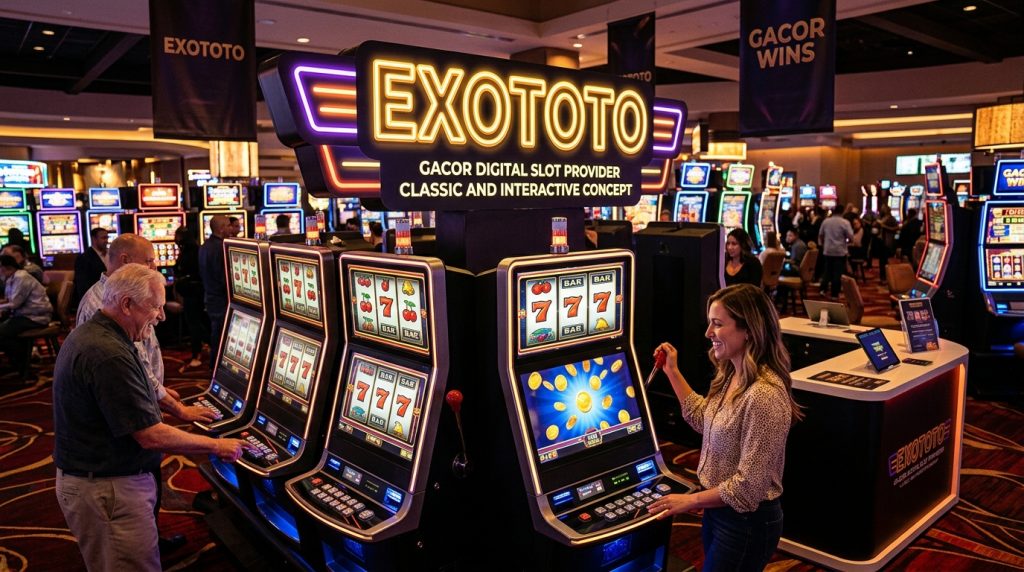
The landscape of online entertainment is undergoing a profound transformation. As technology accelerates, users are increasingly moving away from passive consumption and toward highly interactive, high-performance digital environments. This shift is particularly evident in the world of online gaming, where the convergence of classic design philosophies and cutting-edge digital architecture is redefining how audiences engage with their favorite pastimes.
The Return of Classic Principles
For many enthusiasts, the appeal of traditional gaming lies in its simplicity. The iconic “classic” feel—characterized by straightforward mechanics and intuitive controls—remains the gold standard for accessibility. However, “classic” no longer implies outdated. Modern developers are taking these familiar frameworks and injecting them with high-fidelity graphics, immersive soundscapes, and robust performance standards.
The result is a hybrid experience that satisfies the human need for both nostalgia and novelty. By stripping away unnecessary clutter and focusing on the core engagement loop, developers have created platforms that are easier to navigate and more rewarding to explore. This movement emphasizes that while the “look and feel” might draw a player in, it is the underlying performance that keeps them there.
Defining Modern Interaction
What sets today’s top-tier platforms apart from their predecessors is the emphasis on interactivity. In the past, gaming sessions were often solitary and static. Today, a slot gacor experience is defined by responsiveness, transparency, and dynamic engagement.
Interactivity in this context refers to how a platform reacts to the user’s input. When a system provides immediate feedback, seamless transitions, and a sense of progression, the user feels more connected to the digital space. Key components of this modern interactive standard include:
- Adaptive UI/UX: Interfaces that automatically optimize based on the device being used, whether it is a smartphone, tablet, or desktop.
- High-Speed Backend Architecture: Utilizing cloud infrastructure to ensure zero lag, which is critical for maintaining the “flow state” during sessions.
- Enhanced Fair-Play Protocols: Implementing advanced random number generation and audit trails that foster genuine trust between the provider and the player.
- Community-Driven Features: The ability for users to engage with others, view real-time leaderboards, and participate in events that make the experience feel shared.
The Role of High-Performance Infrastructure
Behind every smooth digital experience is a sophisticated backend. For providers, the challenge lies in balancing aesthetic appeal with ironclad security. A platform that looks great but fails to load correctly or secure user data will quickly lose its audience.
Professional providers are now investing heavily in digital infrastructure that supports scale. This means ensuring that even during peak traffic times, the system remains stable and responsive. This technical foundation is what allows for the “classic” mechanics—such as traditional reel structures—to operate with the speed and reliability of a modern digital application. It is this marriage of legacy charm and futuristic engineering that defines the current state of the industry.
Cultivating an Immersive Environment
Beyond the mechanics, the most successful digital spaces are those that create an immersive atmosphere. This is achieved through careful attention to detail—from the color palettes used to the pacing of animations. When a user enters a well-designed digital environment, the goal is to provide a mental “escape.”
This is where the concept of a responsive system, which performs consistently, comes into play. It isn’t just about the mathematical probability of success; it’s about the perception of the platform as a living, breathing entity that provides a premium, high-quality experience every time the user logs in. By prioritizing design consistency and technical excellence, providers can create a sense of predictability and reliability that users crave.
The Path Forward for Digital Gaming
As we look toward the future, the integration of new technologies like artificial intelligence and enhanced data analytics will likely further personalize these gaming experiences. Imagine a platform that adapts to your preferred playing style, highlighting the content you enjoy most while maintaining the classic interface you trust.
The evolution of these platforms serves as a reminder that the best products are those that respect the user. By combining the best aspects of the past—simplicity, excitement, and ease of use—with the best of the future—security, speed, and deep interactivity—the digital entertainment sector is setting a new standard for quality.
Ultimately, the goal is to provide a space where entertainment is accessible, fair, and above all, genuinely enjoyable. Whether through the refinement of core mechanics or the implementation of new community features, the focus remains on the player. As long as developers continue to prioritize these values, the evolution of digital gaming will continue to thrive, offering new and exciting ways for people to engage with their favorite forms of entertainment.
