
Cambodia is a country defined by its breathtaking contrasts. From the sprawling, ancient stone faces of Angkor Wat to the bustling, neon-lit riverfronts of Phnom Penh, it offers an unforgettable adventure for every type of traveler. Whether you are looking to immerse yourself in rich history, relax on pristine tropical beaches, or sample unique Khmer cuisine, mapping out your journey ahead of time ensures a seamless experience.
However, before you pack your bags and head to the airport, understanding the logistical side of entry requirements is the most critical step of your pre-trip planning.
Navigating Entry Requirements and Regional Documentation
For many international travelers, getting permission to enter Cambodia is simpler than it used to be, thanks to modern electronic processing systems. However, rules vary significantly depending on your nationality and the purpose of your visit.
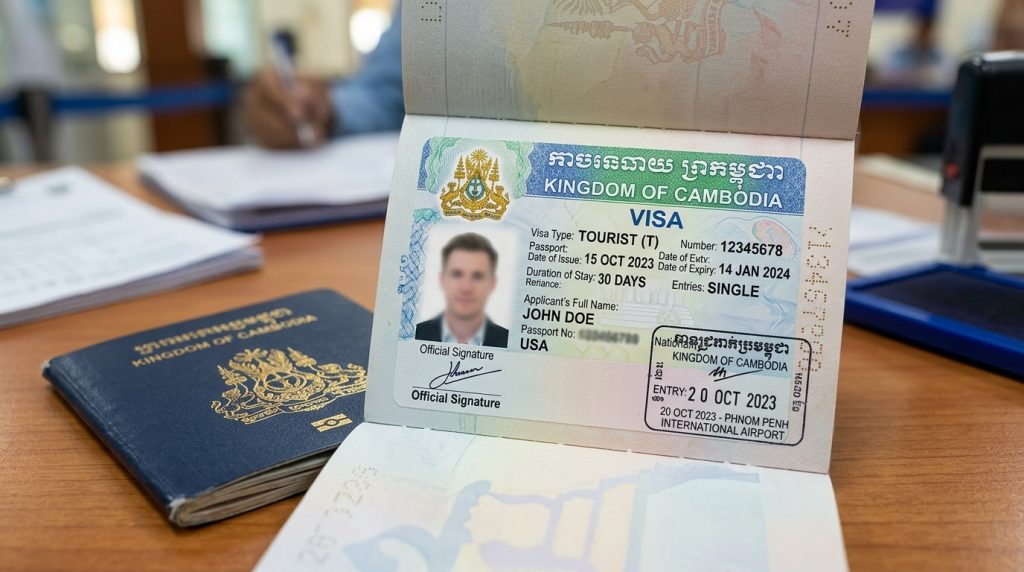
For instance, if you are traveling from the South Caucasus region, you will need to secure proper authorization before passing through border control. Navigating the specific documentation, processing times, and fees for a CAMBODIA VISA FOR ARMENIAN CITIZENS is highly straightforward if you utilize the official electronic visa (e-Visa) portal online, which grants a 30-day stay for tourism.
Concurrently, travelers arriving from neighboring coastal nations along the Caspian Sea face a parallel digital pathway to ensure absolute alignment with Cambodian entry laws. Vacationers should prioritize checking current passport guidelines and online registration requirements well before booking flights. Ensuring you possess the accurate digital printouts and verification for a CAMBODIA VISA FOR AZERBAIJANI CITIZENS will keep your movement through passport control entirely clear, legal, and professional.
Regardless of where you are flying from, standard entry requirements dictate that your passport must be valid for at least six months beyond your planned date of arrival. Additionally, you must have at least one completely blank page for the entry stamps. Keeping a few printed passport-sized photos in your carry-on bag is also a smart, time-tested habit for Southeast Asian travel, as they are occasionally requested at land border crossings or secondary checkpoints.
Top Destinations You Cannot Miss
Once your paperwork is organized, the exciting part begins: finalizing your itinerary. Cambodia balances historical gravity with natural beauty perfectly.
1. Siem Reap and the Temples of Angkor
As the undisputed crown jewel of Cambodian tourism, Siem Reap draws millions of visitors annually to the Angkor Archaeological Park. Angkor Wat itself is the largest religious structure in the world, but neighboring temples like Bayon (famous for its massive stone faces) and Ta Prohm (where giant tree roots swallow ancient masonry) are equally captivating. Plan to spend at least three days here to truly absorb the scale of the ancient Khmer Empire.
2. Phnom Penh: A Vibrant Capital
Phnom Penh is a city driving rapidly into the future while consciously preserving its complex past. The Royal Palace and the Silver Pagoda display gorgeous traditional Khmer architecture. Conversely, visits to the Tuol Sleng Genocide Museum (S-21) and the Choeung Ek Killing Fields offer profound, vital historical context regarding the Khmer Rouge regime, highlighting the incredible resilience of the Cambodian people.
3. Sihanoukville and the Southern Islands
If your idea of a perfect vacation involves white sands and turquoise waters, head south. While Sihanoukville serves as the main coastal hub, the real magic lies a short ferry ride away on islands like Koh Rong and Koh Rong Sanloem. These islands offer a laid-back atmosphere, bioluminescent plankton night tours, and pristine beaches that rival any in neighboring Thailand.
Essential Tips for a Respectful and Smooth Journey
To get the absolute most out of your Cambodian adventure, keeping a few cultural and practical tips in mind will go a long way:
- Dress Modestly: When visiting religious sites like Angkor Wat or the Royal Palace, your shoulders and knees must be covered. Wearing lightweight, breathable fabrics will keep you cool while respecting local customs.
- Currency Insights: The Cambodian Riel (KHR) is the official currency, but the US Dollar (USD) is widely accepted in urban areas. ATMs frequently dispense USD. However, ensure your foreign bills are crisp and completely free of tears, as local vendors often reject damaged currency. Carry small Riel denominations for local markets and tuk-tuk rides.
- Stay Hydrated: The tropical climate can be intensely humid. Drink bottled or filtered water exclusively, and keep hydration packets handy during long days of temple trekking.
